


RV, Boat and Motorcycle Insurance in Colorado and Arizona
The things you own for the weekend need their own coverage. Your auto policy almost certainly does not extend to them, and the gap tends to surface at the worst moment.
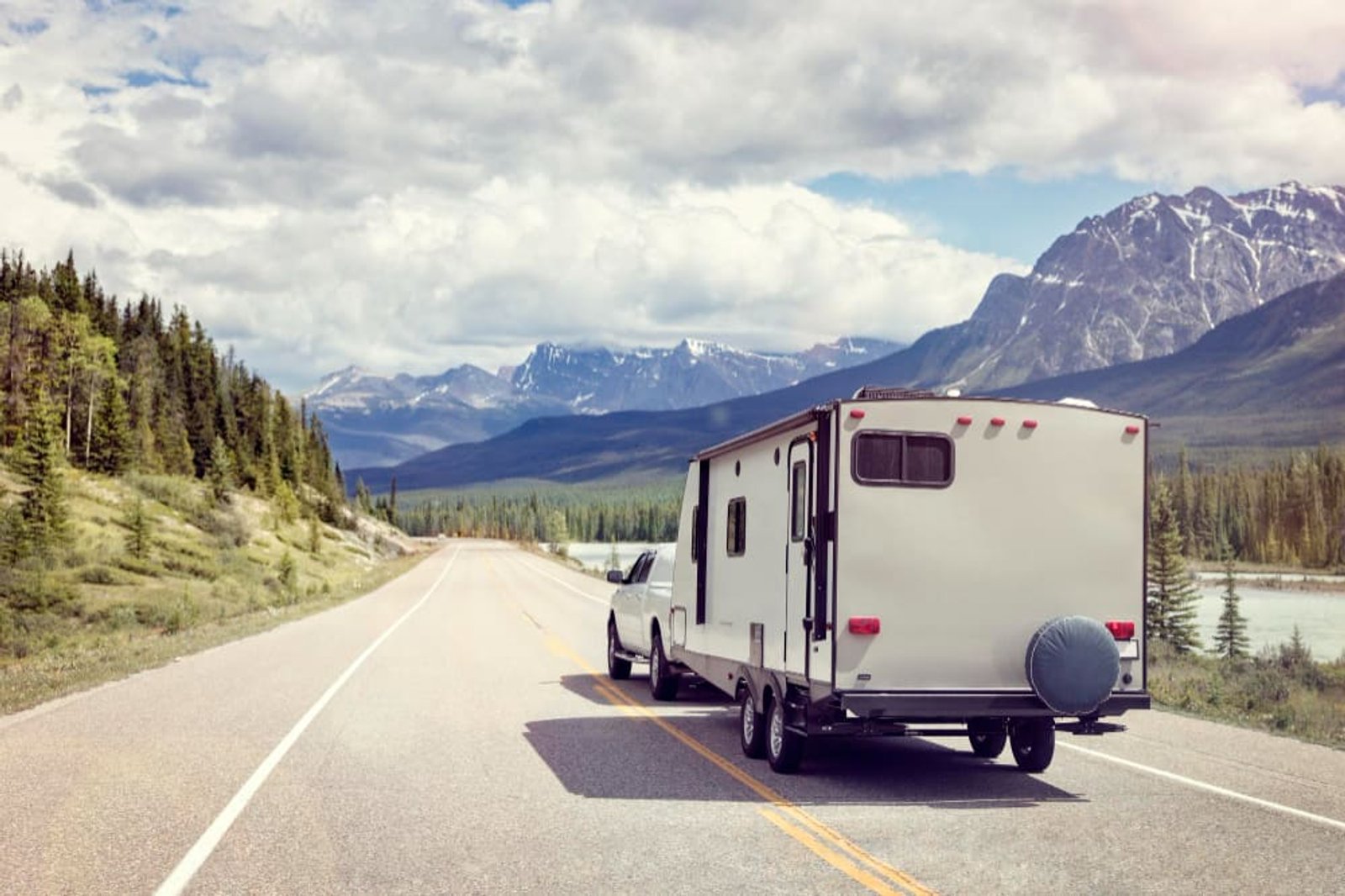
Cover for the Weekend, Not Just the Commute
Colorado and Arizona are why people own this stuff. The reservoirs, the passes, the desert runs in spring. What catches people out is that a motorcycle, an RV or a boat sits outside a standard auto policy almost entirely, and the state minimum on a bike protects other people rather than the bike.
Each of these needs different thinking. An RV is a vehicle and a residence at once, so it needs contents and liability while parked as well as on the road. A boat needs to cover the trailer and the time on the water. A motorcycle needs attention paid to custom parts, which are excluded or capped low by default more often than not.
We write all three across Colorado and Arizona. If it is stored half the year, ask us about seasonal arrangements, because paying full freight through a Colorado winter is rarely necessary.
- Coverage nationwide
- RV, boat, motorcycle and off-road
- Ask about seasonal storage
What Recreational Coverage Can Include
Different toys, different exposures. Here is what each type of policy is built to handle.
Motorcycle Liability
Required in both states, and the minimum is genuinely minimal. It pays for harm you cause to others and does nothing for your own bike, which needs collision and comprehensive.
Custom Parts and Equipment
Exhausts, bags, paint and chrome. Standard limits for aftermarket parts are low, and riders are routinely surprised by this after a loss. It can usually be raised.
RV and Travel Trailer
Covers the vehicle, what is inside it, and liability while it is parked and occupied. Full-timers need a different structure from weekend users, so tell us which you are.
Boat and Watercraft
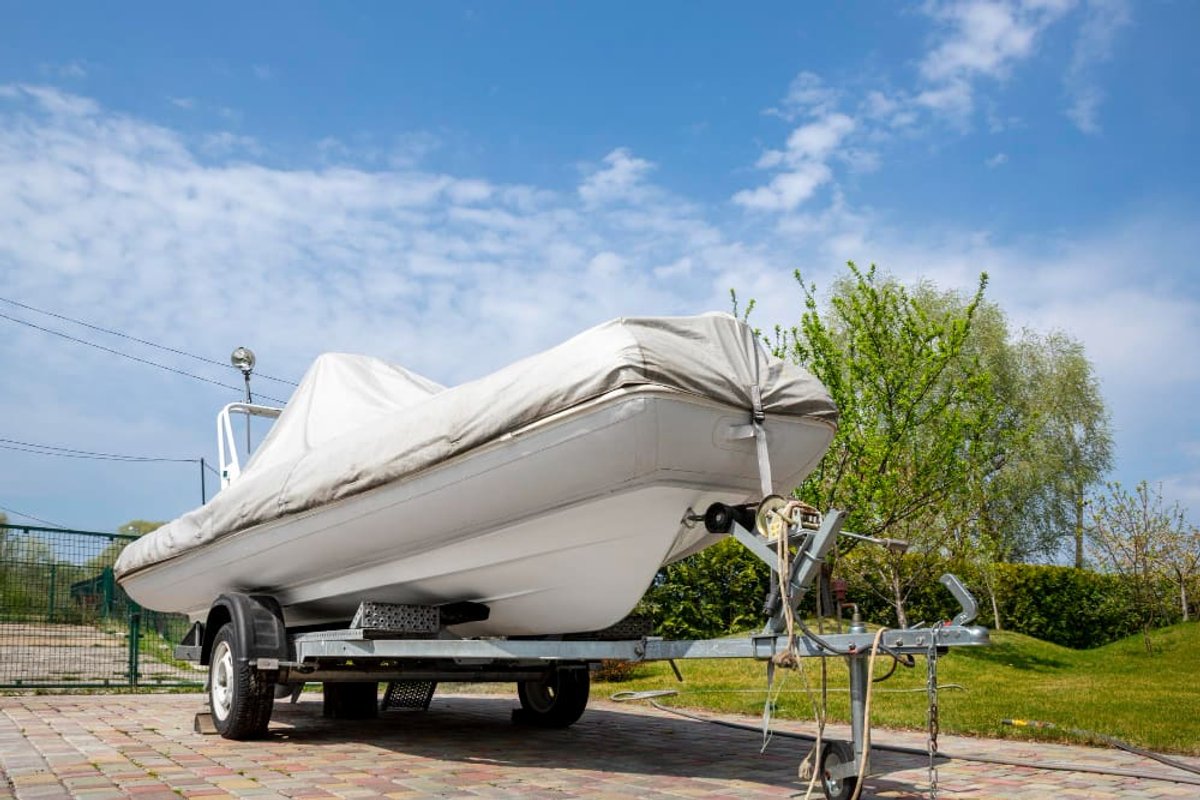
Hull, motor, trailer and liability on the water. Colorado requires an aquatic nuisance inspection at most reservoirs, and some policies help with wreck removal.
Off-Road and ATV
Dirt bikes, side-by-sides and quads. Often excluded from home policies once they leave your property, which is precisely when they get used.
Roadside and Trip Interruption
A tow for an RV is not a normal tow, and the bill reflects that. Trip interruption helps with lodging when a breakdown strands you far from home.
Coverage terms and payouts depend on your policy and the carrier. Recreational vehicles can often be brought under an umbrella policy for additional liability. If the vehicle is used for business, it needs commercial coverage instead.
Getting a Recreational Quote Is Simple
Tell us what you own and how you use it. That is most of the work.
Start Your Free QuoteWe Listen
What it is, what it is worth, where it is stored, and roughly how much you use it through the year.
01
We Shop
We compare carriers that specialise in recreational lines, which price these very differently from standard auto carriers.
02
You Choose
We show you the options, including seasonal arrangements if it is stored over winter. You decide.
03
Recreational Insurance Questions We Hear a Lot
Almost never. Motorcycles need their own policy in both Colorado and Arizona, and the state minimum only pays for harm you cause to others. Your own bike needs collision and comprehensive.
Often yes. Many carriers allow reduced usage-based coverage during storage months while keeping comprehensive in place for theft and fire. Do not drop comprehensive entirely, since that is what protects it while parked.
Only up to a limit, and the default limit is usually low. If you have spent real money on exhausts, paint or accessories, tell us the figure and we will schedule it properly.
Liability may extend while towing, but the trailer itself and its contents usually need their own coverage. That gap is a common one and it is easy to close.
The state does not mandate it the way it does auto, but most marinas and reservoirs require proof of liability, and a lender will require coverage on a financed boat. It also covers the trailer on the road.
They usually need their own policy. Home policies often cover them on your own land and stop at the property line, which is the opposite of how most people use them.

What Our Clients Say
- Personal coverage · Great service
Really GREAT group to work with - Kim Adams is a "GSD" Queen!! This group really makes you feel like you have people on your side in all the madness of the insurance world....... thank you for all your many years of help and we APPRECIATE your integrity and outstanding service. A+++++++++
Christine Bergman Google - Personal coverage · Great service
I have had great service from Pikes Peak Insurance-from the owners to other staff. Recently Melinda went out of her way to help me. As have others. She has kept in touch and as I am now older it is greatly appreciated. They are at a milestone anniversary and I wish them great success into the future.
Sandra Davis Google - Business insurance · Great service
Krys has been our insurance agent for years now, and has helped us every step of the way! The communication is fantastic and customer service is top notch! Thank you PPIA
TCS Septic Google - Personal coverage · Great service
Gretchen, Kim, and the entire staff at Pikes Peak Insurance have consistently provided me with top-notch customer service over the past 20 years. They have the perfect blend of professional expertise and thoughtful regard for the well-being of their clients.
Debbie Evercloud Google - Personal coverage · Great service
I can't say enough great things about Pikes Peak Insurance Agency! Every time I call with questions about something, they are all so kind and helpful. Especially Gretchen! She remembers who I am right away and is just the sweetest! She's knowledgeable and extremely helpful, always looking for the best solution for their clients. I highly recommend this company!
Tina Google - Personal coverage · Great service
I have been working with the Pikes Peak Insurance agency for more than a decade. Chris, Barbara, Gretchen, Donald are all very professional and find best insurance policies that work for me. I am very happy with their service. They do a good job.
Sarma Yeddanapudy Google
Ready for a Free, No-Pressure Quote?
Call or text (719) 591-4500, or request your quote online. One local team, more options, and no obligation. Open M–F · 9:00 AM–5:00 PM.
Request Your QuoteShort on Time? Have Us Call You.
No quote form to fill out. Leave your name and number and someone from our Falcon office will call you back.